
5 Innovative Approaches To Improve Your Reservations

In today’s fast-paced world, efficient reservation systems are a must. Whether you’re managing therapy room rentals, booking appointments, or organizing events, innovative approaches can help streamline the process and enhance the customer experience. Here are five strategies that can take your reservation process to the next level. 1. Leverage AI-Powered Booking Systems Artificial intelligence can revolutionize how reservations are managed. AI-driven tools can automate repetitive tasks, predict client behavior, and optimize scheduling in real-time. What It Does: AI systems suggest available time slots based on patterns, manage cancellations, and even send reminders to clients automatically. Why It Works: Reduces human error, saves time, and offers clients a smarter, faster booking experience. Example: Implement chatbots that allow clients to make reservations via messaging platforms, providing instant confirmations without manual input. 2. Introduce Mobile-Friendly Booking Options A mobile-first approach ensures your reservation system is accessible to everyone, anywhere. How It Helps: With most clients accessing services through smartphones, a mobile-friendly interface enhances usability and satisfaction. Key Features: Include quick navigation, saved user profiles, and one-tap rebooking for returning clients. Pro Tip: Develop a dedicated app for reservations, or ensure your website’s booking feature is fully optimized for mobile devices. 3. Enable Real-Time Availability Updates Transparency is critical in building trust with your clients. A system that shows real-time availability eliminates the risk of double bookings and reduces confusion. Benefits: Clients can instantly see what’s available and secure their desired slot without delays. Tools: Use integrated calendars or cloud-based software that updates availability in real time. Example: A therapy room rental service can show live room statuses—available, occupied, or pending—to avoid scheduling conflicts. 4. Offer Tiered Reservations for Different Needs Not all clients have the same requirements. Tailor your reservation options with tiered packages or add-on services. How It Works: Provide options like basic, premium, or custom bookings. For example, a basic reservation might include the room only, while premium adds features like refreshments or extended hours. Why It’s Effective: Increases revenue potential while giving clients more flexibility. Example: MyTherapy Room could offer a standard hourly rate or a premium package with amenities like access to group spaces or advanced equipment. 5. Adopt a Seamless Cancellation and Rescheduling Policy Life happens, and plans change. Make it easy for clients to cancel or reschedule reservations without frustration. How It Helps: A user-friendly cancellation policy reduces no-shows and builds goodwill with clients. Features to Consider: Automated refund processing, cancellation windows, and instant rescheduling options. Pro Tip: Offer incentives for clients to reschedule instead of canceling, such as discounts on future bookings or loyalty points. Conclusion Improving your reservation system isn’t just about technology—it’s about creating a user-focused process that anticipates client needs and adapts to changing expectations. By integrating these innovative approaches, you can streamline operations, build trust, and boost client satisfaction. At MyTherapy Room, we’re committed to providing intuitive and flexible reservation solutions that make your practice thrive. Whether it’s AI-powered scheduling or tailored booking options, the future of reservations is bright—and it starts with these five steps. Take the first step today—upgrade your reservations and see the difference!

Ten Unexpected Ways Holiday Can Make Your Life Better

Holidays aren’t just about escaping work or indulging in fun activities—they can profoundly impact your mental, physical, and emotional well-being in ways you might not expect. Here are ten surprising ways taking a holiday can improve your life, whether you’re traveling to a distant destination or simply taking a break close to home. 1. Boosts Mental Clarity Time away from daily routines can clear your mind and provide a fresh perspective. Holidays give your brain the chance to rest, recharge, and refocus, helping you tackle challenges more effectively when you return. Example: A simple change of scenery can spark creative ideas or solutions to problems you’ve been stuck on. 2. Strengthens Relationships Holidays are an excellent opportunity to bond with loved ones. Whether traveling with family, friends, or a partner, shared experiences during vacations often create memories that strengthen relationships. Why It Matters: Quality time away from distractions like work and chores fosters deeper connections. 3. Reduces Stress Levels Stepping away from the hustle and bustle of everyday life can significantly reduce stress. A holiday gives you the space to unwind, lowering cortisol levels and improving your overall mood. Pro Tip: Choose a destination or activity that genuinely relaxes you, whether it’s lounging on a beach or exploring a new city. 4. Encourages Personal Growth Traveling and experiencing new cultures or environments can open your mind to different perspectives, teaching you lessons about adaptability, resilience, and empathy. Unexpected Benefit: You often return home with a broader outlook on life, which can influence personal and professional decisions. 5. Enhances Physical Health Holidays often involve activities like walking, hiking, swimming, or exploring—physical movement that’s both enjoyable and beneficial for your health. Even restful holidays contribute to better sleep and lower blood pressure. Pro Tip: Opt for destinations that encourage physical activity for added health benefits. 6. Promotes Happiness and Gratitude Breaking away from routine brings joy and excitement, reminding you of the beauty of life. Holidays also make you more appreciative of what you have, as the distance provides a new perspective on your daily blessings. Fact: Studies show that even planning a holiday can boost happiness levels. 7. Improves Productivity Taking time off work might seem counterintuitive to productivity, but research shows that well-rested individuals return to their tasks with renewed energy and focus. Why It Works: Breaks prevent burnout and allow your mind to process tasks subconsciously. 8. Creates Lifelong Memories Holidays often result in cherished memories that you can reflect on for years. These moments become stories you share with friends and family, enriching your life with a sense of fulfillment. Example: A sunset hike, a thrilling adventure, or a serene day spent by the sea can become defining moments in your life story. 9. Encourages Mindfulness Holidays encourage you to live in the moment. When you’re exploring a new place or indulging in a favorite activity, you naturally focus on the present rather than worrying about the past or future. Unexpected Benefit: Practicing mindfulness on holiday can carry over into your daily life. 10. Sparks Motivation and Ambition A great holiday often leaves you inspired and motivated to pursue goals or dreams you’ve put on hold. The break can reignite your passion for hobbies, career ambitions, or personal projects. Why It’s Powerful: Seeing new places or meeting different people can give you the push you need to start something new. Conclusion Holidays are more than just leisure—they are transformative experiences that enhance your mental health, strengthen relationships, and inspire you to live a better life. Whether it’s a weekend getaway or an extended adventure, taking a holiday is one of the best investments you can make in yourself. So, what are you waiting for? Plan your next holiday and experience these unexpected benefits for yourself!

Five Things To Avoid In Booking

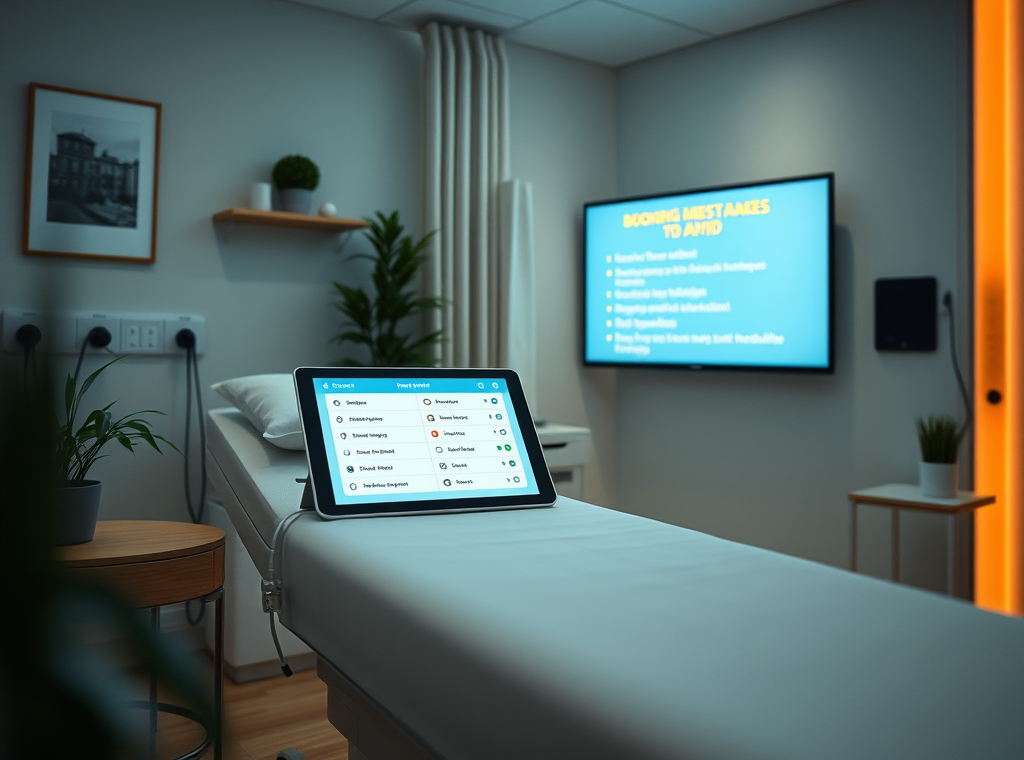
Booking a trip, a therapy room, or any service might seem straightforward, but small mistakes can lead to unnecessary stress and complications. To ensure a seamless experience, here are five common pitfalls to avoid when making bookings. 1. Procrastinating on Reservations Delaying your booking might seem harmless, but it can lead to missed opportunities and higher costs. Popular time slots, accommodations, or services can fill up quickly, leaving you with limited or less desirable options. Why It’s a Problem: Last-minute bookings often come with premium pricing and fewer choices. Tip: Book as early as possible to secure the best options at lower rates. 2. Overlooking Terms and Conditions Many people skip reading the fine print, but terms and conditions can contain important information about cancellations, changes, and additional fees. Why It’s a Problem: Ignoring these details can result in unexpected penalties or complications if plans change. Tip: Always review the cancellation and refund policies before finalizing your booking. 3. Ignoring the Total Costs It’s easy to focus on the base price and forget about hidden fees, taxes, or additional costs that may be added later. Why It’s a Problem: You might exceed your budget if you don’t account for the full cost upfront. Tip: Look for all-inclusive prices or request a detailed breakdown before booking to avoid surprises. 4. Failing to Double-Check Details Incorrect information, such as the wrong date, time, or location, can cause major disruptions. Small mistakes during the booking process can lead to canceled plans or extra hassle. Why It’s a Problem: Rectifying errors later might incur fees or might not even be possible for non-refundable bookings. Tip: Review all details thoroughly before confirming your booking. 5. Overlooking Flexibility Options Life is unpredictable, and plans can change. Failing to choose bookings with flexibility can leave you stuck if you need to make adjustments. Why It’s a Problem: Non-flexible bookings might not allow changes or refunds, leading to financial loss. Tip: Opt for flexible bookings or travel insurance, especially if your plans aren’t set in stone. Conclusion Avoiding these common pitfalls ensures a smoother booking experience and helps you avoid unnecessary stress or financial loss. Whether you’re booking a therapy room, a flight, or a weekend getaway, staying mindful of these factors will set you up for success. Plan smart, avoid mistakes, and enjoy a hassle-free experience every time you book!

Seven Awesome Things You Can Learn From Booking

Booking might seem like a mundane task, but it’s more than just selecting a time slot or confirming a reservation. The process can teach you valuable lessons and help you develop skills that apply to various areas of life. Here are seven awesome things you can learn from booking. 1. Time Management Skills Making a booking requires you to coordinate schedules and plan ahead, which inherently sharpens your time management skills. Whether you’re scheduling a vacation or renting a therapy room, the process encourages you to allocate your time effectively. Why It Matters: Understanding how to prioritize and plan can improve productivity in both personal and professional life. 2. The Value of Flexibility Booking often involves adapting to availability, changes, or unexpected conflicts. Learning to stay flexible and adjust your plans teaches resilience and the importance of adaptability. Example: If your preferred time slot isn’t available, you learn to make the most of alternatives. 3. Budgeting and Financial Awareness Booking requires you to compare prices, evaluate costs, and sometimes negotiate deals. These actions enhance your budgeting skills and help you become more mindful of financial decisions. Pro Tip: Look for promotions, discounts, or all-inclusive options to maximize value without overspending. 4. Attention to Detail From checking dates and times to ensuring all information is correct, booking reinforces the importance of paying attention to details. Why It Matters: This skill is invaluable in preventing errors not just in bookings but also in other areas of life, such as work and contracts. 5. The Power of Research Before making a booking, you likely research options, read reviews, and evaluate pros and cons. This process hones your ability to gather information and make informed decisions. Example: Reading client reviews about a therapy room rental helps you select a space that aligns with your needs. 6. Communication Skills Booking often involves interacting with service providers or coordinating with others. This fosters clear communication and the ability to ask the right questions to get what you need. Pro Tip: Don’t hesitate to confirm details or clarify doubts when making reservations—it prevents misunderstandings. 7. Problem-Solving Abilities When things don’t go as planned—like a double booking or a cancellation—you learn how to handle issues calmly and find alternative solutions. Why It’s Valuable: Problem-solving skills developed during the booking process translate to dealing with challenges in other areas of life. Conclusion Booking isn’t just a transactional process—it’s an opportunity to develop essential life skills, from time management and budgeting to communication and problem-solving. By approaching the process thoughtfully, you can make better decisions and grow personally and professionally. Embrace these lessons and turn every booking into a chance to learn and improve!

Five Facts That Nobody Told You About Booking

Booking a service, a therapy room, or a dream vacation may seem simple on the surface, but there’s more to it than meets the eye. Here are five surprising facts about booking that you might not know, but will definitely appreciate. 1. Timing Is Everything The timing of your booking can drastically affect availability and pricing. Booking too early or too late could mean missing out on the best deals. Why It Matters: Many platforms use dynamic pricing algorithms, meaning prices fluctuate based on demand, time of day, or even day of the week. Pro Tip: For flights or high-demand bookings, aim for midweek reservations as prices often drop. 2. Reviews Aren’t Always What They Seem While reviews are helpful, they may not always paint a complete picture. Some reviews are biased, outdated, or even fake, which could mislead you about the quality of a service or experience. What to Do: Look for detailed, recent reviews and cross-reference feedback across multiple platforms to get a clearer picture. 3. Cancellation Policies Are More Flexible Than You Think Many people assume that cancellations or changes are rigid and costly, but flexible options are becoming increasingly common, especially for last-minute bookings. Why It Matters: Knowing this can save you money and stress when plans change unexpectedly. Pro Tip: Always check if a “flexible booking” option is available, even if it costs slightly more upfront—it could save you in the long run. 4. Loyalty Programs Can Save You More Than Discounts Frequent bookers often overlook loyalty programs in favor of immediate discounts. However, loyalty rewards, such as free services or exclusive perks, can offer far greater value over time. Why It’s Overlooked: Many people don’t realize how quickly points can accumulate, even with small bookings. What to Do: Sign up for loyalty programs if you use a platform or service regularly—it’s free and worth it. 5. AI and Algorithms Are Shaping Your Options Many booking platforms use AI and machine learning to tailor search results based on your preferences, location, and browsing history. While convenient, this means you might not see all available options. Why It’s Important: You could miss better deals or alternatives if you rely solely on automated suggestions. Pro Tip: Clear your cookies or use incognito mode to see unbiased pricing and a broader range of options. Conclusion Booking is more nuanced than it appears, with hidden dynamics that can affect your choices, costs, and overall experience. By understanding these lesser-known facts, you can make smarter, more informed decisions and enjoy a smoother booking process. The next time you book, keep these insights in mind and make the most of your reservations!